
Flirty doesn’t mean cheesy or over-the-top. Sounding flirty is adding warmth, curiosity, and playful tension so the other person feels good—and wants more.
Think of it as light, respectful interest: you’re inviting a vibe, not forcing one.
Key Takeaways:
- Flirty = warm, playful, respectful. Aim for a mutual spark—not pressure or performance.
- Design your tone on purpose. Use pacing, white space, light emojis, and short, fun questions; smoothly bridge to a quick call or simple plan.
- Voice sells the vibe. On calls/voice notes: prep briefly, smile, use vivid specifics, pause for laughter, and end with a tiny next step.
- Rotate specific compliments, keep teasing gentle, build callbacks/inside jokes, and keep innuendo hint-level.
- Read the signals. Level up only if they mirror you; if not, soften or reset. Always prioritize consent, context, and digital privacy.
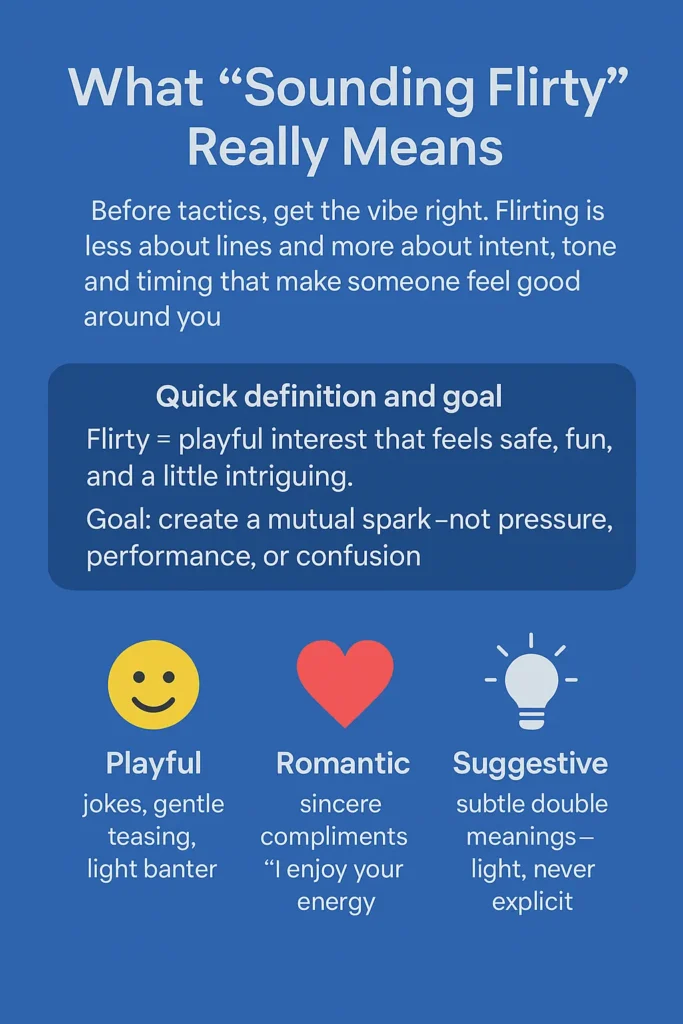
What “Sounding Flirty” Really Means
Before tactics, get the vibe right. Flirting is less about lines and more about intent, tone, and timing that make someone feel good around you.
Quick definition and goal
Flirty = playful interest that feels safe, fun, and a little intriguing.
Goal: create a mutual spark—not pressure, performance, or confusion.
The difference between playful, romantic, and suggestive
- Playful: jokes, gentle teasing, light banter.
- Romantic: sincere compliments, “I enjoy you” energy.
- Suggestive: subtle double meanings—light, never explicit.
How to Sound Flirty Over Text
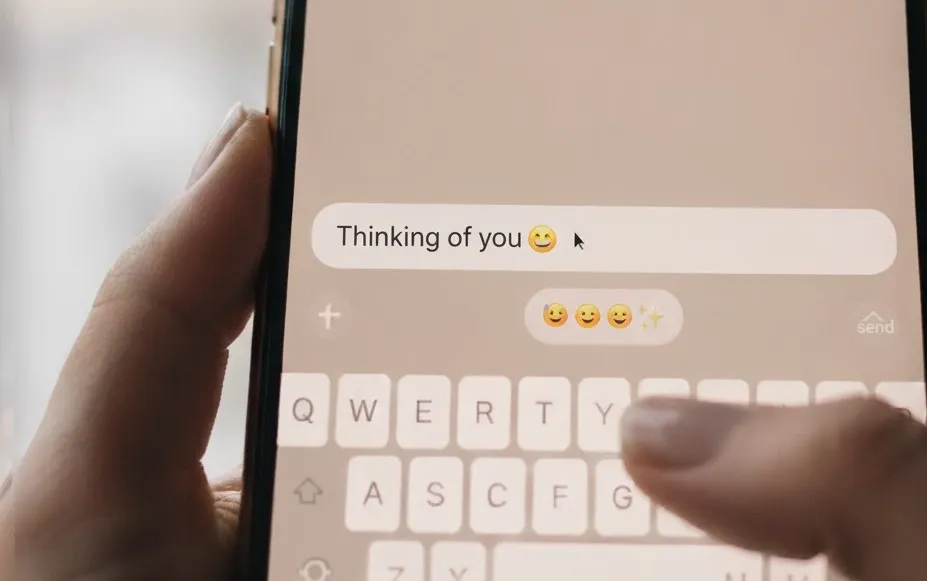
Texting adds distance and removes tone—so you’ll create tone on purpose with pacing, formatting, and small, fun prompts.
Timing, rhythm, and spacing messages
Keep replies timely but not instant. Use short lines and white space to make the tone clear and easy to skim.
In coaching real conversations, I’ve found that short, well-spaced lines and a single emoji convey warmth better than rapid-fire texts or punctuation overload, and they get more playful replies.
Emojis, punctuation, and formatting that add tone
Use a smile, a wink, or sparkles to soften lines. Keep punctuation calm: one exclamation point beats three. Add tone with short lines, line breaks, or italics for emphasis instead of spammy symbols.
Flirty questions that invite short, fun replies
Ask small, tasty questions: “What’s your go-to coffee order?” “Best Sunday mood: brunch or blankets?”
Photos, memes, and playful media (when and how)
Share situational pics/memes tied to your chat (“Saw this and thought of your sushi take”). Keep it PG unless explicitly invited.
Turning texting into a call or date smoothly
Bridge with soft choices: “This is fun—2-minute call or keep texting?” or “Thursday gelato or Saturday tacos?”
When you feel ready to make plans, knowing How to ask someone out can increase your chances of success.
How to Sound Flirty on Calls & Voice Notes

Your voice carries warmth and confidence. A little preparation helps you sound relaxed, inviting, and present from hello to goodbye.
For added guidance on respectful and confident calls, see How to call women for practical tips.
Pre-call setup (sound, energy, mental frame)
Quiet space, relaxed posture, smile before you speak. Aim for cozy, unhurried energy.
First 20 seconds: warmth, curiosity, comfort
Open with friendly certainty: “I’ve got two mins and a question: what’s your snack villain origin story?”
Storytelling with color and sensory words
Use specifics: “That café smells like caramel and rain.” Specific = vivid = flirty.
Using silence and laughter
Pause after a tease; let them respond. Shared laughter builds micro-bonding.
Ending with momentum (future mini-plan)
Close with a tiny next step: “Save the cinnamon roll debate for Saturday?”
Flirty Questions and Prompts
Good questions create playful discovery without pressure. Keep them short, specific, and easy to answer on the go.
Light, taste-revealing questions
Use low-stakes preferences to invite quick, fun disclosures. These questions signal curiosity without prying, and they create easy follow-ups you can build on (“noted for future snacks”). Aim for specifics that paint a vibe—comfort foods, cozy routines, tiny rituals—so the conversation feels warm and personal, not clinical.
“This or that” games and playful quizzes
Binary choices add momentum and rhythm. Keep rounds short (3–5 picks), sprinkle a few surprising options, and react to their choices with light commentary so it feels like banter, not a survey. You can escalate from silly to slightly personal, then end on a cliffhanger to save material for the next chat.
Fantasy, favorites, and mini-dares
Imagination prompts let you co-create a tiny world together. Frame them as opt-in and low-pressure (“only if you’re game”), and keep stakes small and playful—no embarrassment, no oversharing. “Favorites” ground the fantasy in reality, while mini-dares add a spark of spontaneity without crossing comfort lines.
Shared-experience prompts (music, food, weekend)
Invite micro-collabs that translate talk into action. Trading one song, rating a dessert spot, or syncing a mini-plan builds a thread you can return to—and a natural bridge to meetups. Keep the ask specific and easy to complete now, so momentum turns into a simple next step later.
Word Choice and Flirty Language Patterns

Tiny wording shifts turn neutral lines into playful ones. Focus on warmth, specificity, and a light touch.
Compliment types (looks, vibe, character, situational)
Rotate your compliments so they feel fresh and genuine. Balance surface traits (hair, fit) with deeper notes (calm energy, humor, follow-through) and in-the-moment observations (how they brightened the convo). Specificity beats generic praise and shows you’re actually paying attention.
Example: “You make chaos feel cozy” (vibe), “You’re sneakily disciplined” (character), “That story just upgraded my Tuesday” (situational).
Playful teasing (gentle, never personal)
Great teasing targets behaviors and choices, not identity or insecurities. Keep it soft, reversible, and easy to laugh with—then cushion it with warmth so it lands as affection, not a jab. If you’re not sure it’ll read as cute, don’t send it.
Example: “Serial plant whisperer energy—admit it.”
Callbacks, inside jokes, and nicknames
Callbacks prove you listened and help build a private mini-language. Drop the reference later to create continuity and chemistry. Nicknames should be opt-in and flattering; start light and let them catch on organically.
Example: “Okay, Team Cinnamon—what’s the next mission?”
Double meaning and suggestive subtext (light, not explicit)
Use hint-level wording that suggests attraction without crossing lines. Keep the innuendo playful, brief, and deniable; if they mirror it, you can inch forward, if not, pivot to friendly.
Example: “Dangerous combo: good coffee and you.”
Push-pull and tension (give, then lightly retreat)
Offer a spark (compliment, tease, invite), then ease back to keep things breezy. This prevents crowding and invites them to step in. Pair the “push” with a simple path forward so momentum has somewhere to go.
Example: “Bold opinion… and I’ll hear your case on Saturday.”
Openers That Sound Flirty (By Channel)

Match the room. Your opener should feel like it belongs to the setting—natural, observant, and easy to answer.
In person: situational, observational, and environment-based
Lead with what you genuinely notice: something they’re reading, wearing, doing, or what’s happening around you. Keep it light, specific, and anchored in the shared moment. This signals confidence without pressure and gives you instant material for follow-ups.
Example opener: “Bookstore jury duty: what verdict are you giving that cover?”
Text/DM: low-pressure hooks and curiosity builders
Short prompts with a clear, fun choice work best. Avoid heavy intros; start with an easy question, a tiny poll, or a playful contrast that invites a quick reply. Add white space and a single emoji if it helps the tone read as warm.
Example opener: “Tiny poll: spontaneous detour or responsible adulting today?”
Voice notes/calls: cozy “radio” style openers
Set a friendly frame and a small time box so it feels effortless to engage. Use a warm tone, smile as you speak, and toss a specific mini-prompt that’s fun to answer out loud. End with an easy handoff or question so they can jump in.
Example opener: “You’ve got 60 seconds—defend your most controversial snack.”
Calibrating and Escalating (Safely)

You’ll adjust your intensity based on their cues—aiming for comfortable, two-way momentum rather than performance or pressure.
Go signals that show you can gently level up
When they reply promptly, mirror your energy, add details, and sometimes initiate, you’ve got permission to nudge things forward. Level up with a slightly bolder compliment, a playful tease, or a small concrete plan so the spark has somewhere to go.
Example move: “You’re trouble—in the best way. Coffee on Saturday to verify?”
Neutral signals: hold pace, add warmth
If responses are shorter or slower but still polite, don’t push. Keep things easy and low-stakes: soften tone, ask a simple, specific question, or switch to a lighter topic that invites them in without effort.
Example move: “No rush—curious, are you more a sunrise or midnight person?”
Red flags: pull back, reset, or exit
One-word replies, long gaps, or no questions back usually mean your pace is ahead of theirs. Stop escalating; either reset to friendly-neutral or bow out gracefully so the interaction stays respectful.
Example move: “I’ll leave you to it—good luck with your busy day!”
Asking permission playfully (“Is this too flirty?”)
Opt-in keeps things safe and attractive. A light permission check shows social awareness and gives them control to steer. If they’re in, you can continue; if not, pivot without awkwardness.
Example move: “Quick consent check: is this too flirty, or are we good?”
What Not to Do (Common Mistakes)

Avoid these tone-killers. The goal is connection, not performance points or cleverness that lands cold.
Over-texting, over-sexualizing, or negs
Leave space. Keep the innuendo light. No insults disguised as jokes.
Sarcasm that reads cold or mean
If it could be misread, don’t send it.
Fishing for validation or forcing jokes
State your interest, then let it breathe.
Ignoring cues or mixed signals
If signals are mixed, slow down or reset tone.
Safety, Ethics, and Boundaries
Flirting should feel safe for everyone. Keep consent, context, and digital footprints in mind every time.
Age and consent reminders
Flirting is for adults with mutual consent. Full stop.
Workplace and professional settings (don’t)
Keep it professional; power dynamics make consent unclear.
Digital privacy and screenshot awareness
Assume screenshots exist. Keep messages respectful and re-shareable. Learning
how to sext safely can help keep intimate conversations respectful and consensual.
Enhance Your Social Confidence with AI Companions
If navigating flirting feels intimidating, many find support in digital companions like an
AI Girlfriend, which simulates natural conversation to help build social confidence. To learn more about these AI companions and their unique design, check out What is an AI girlfriend.
Disclaimer
This guide is for adults and general education. It is not clinical, legal, or workplace policy advice. Always follow local laws, community guidelines, and professional boundaries, and prioritize clear consent and digital privacy.
Frequently Asked Questions
How flirty is “too flirty”?
If they don’t mirror, go shorter and lighter. Ask, “Too much?”
What if they don’t respond?
Send one friendly follow-up later. If still nothing, bow out gracefully.
How do I recover from awkward moments?
Acknowledge with humor: “That landed like a tired pigeon. Let me try again.”