AI Girlfriends and the Metaverse: Where Virtual Reality Fits In
How far AI girlfriend apps actually are from a real virtual reality experience, based on testing 129 platforms, and why voice and rendering gaps matter more than headset adoption.
Jordan Voss
AI Companion Researcher
July 8, 2026
Quick answer
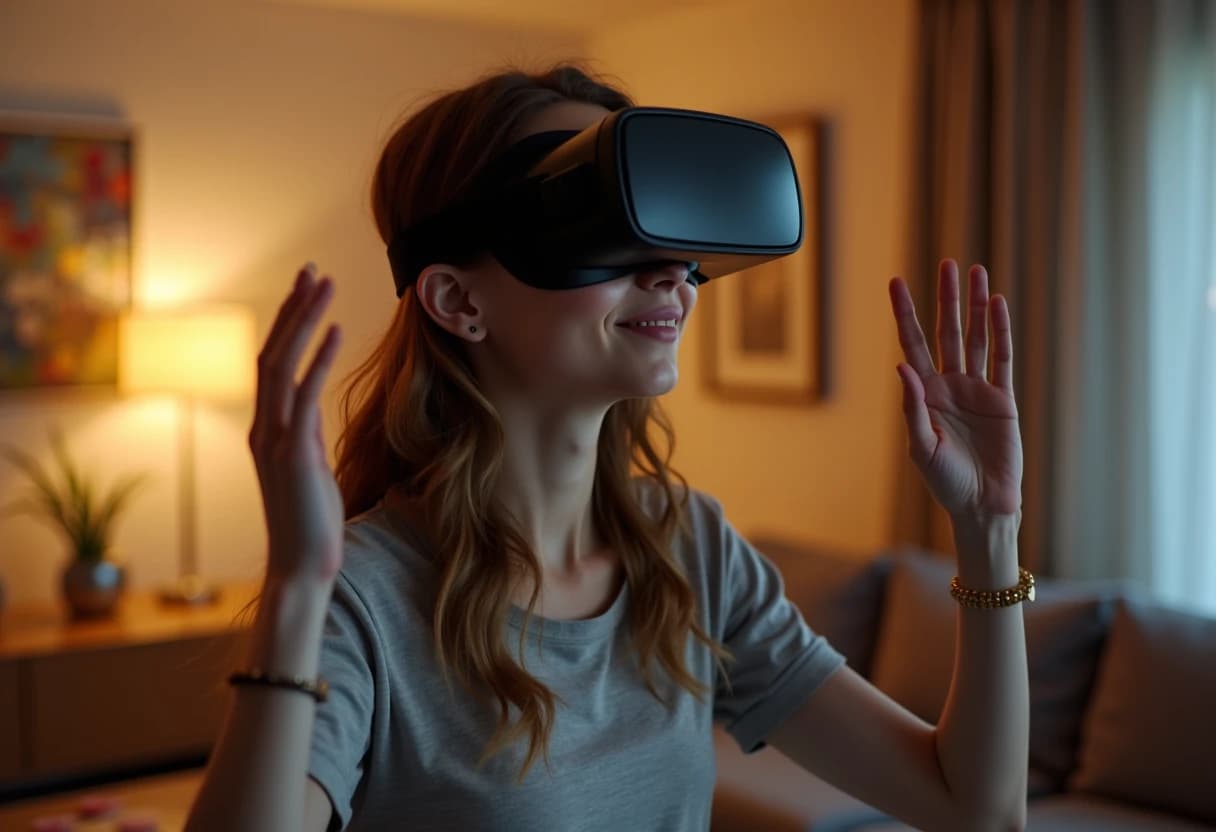
Right now, virtual reality is a small, mostly experimental corner of the AI girlfriend category, not a mainstream way people use these apps. Across the 129 platforms I track, the core product is still overwhelmingly text chat, with voice interaction averaging just 1.81 out of 5 and only 22% offering AI video generation, both of which are far more basic building blocks than the real-time, embodied 3D presence a true "metaverse" companion experience would require. My honest take is that AI girlfriends and VR are two technologies on a collision course eventually, but the underlying chat, voice, and rendering pieces need to mature a lot further before that collision actually happens at scale.
What "the metaverse" actually means in this context
"Metaverse" gets used loosely, so let me be specific about what I'm actually evaluating here: a persistent, embodied, 3D virtual environment where you'd interact with an AI companion as if they were physically present with you, ideally through a VR headset rather than a flat screen. That's a meaningfully higher bar than an app with a 2D avatar image or a voice call, and it's worth being honest about how far the current AI girlfriend category is from actually clearing that bar.
Most discussion of "AI girlfriends in the metaverse" conflates a few different things: VR headset compatibility, 3D avatar rendering, and real-time embodied presence. Right now, based on what I've tested across 129 platforms, the category is dominated by 2D chat, image, and occasional voice, not the kind of full 3D embodiment the metaverse framing implies.
Where VR actually fits into the category today
Honestly, not very far in. I haven't found VR-native, headset-first AI girlfriend experiences to be a meaningful share of the 129 platforms I test. The category's energy has gone almost entirely into improving the core chat experience first, then image generation, then voice, with video generation as the newest addition at 22% adoption. VR sits behind all of that in terms of where companies are actually investing engineering effort right now.
That's not a criticism of the category, it's just sequencing. Building a genuinely good text conversation is the foundation everything else sits on top of, and most companies I've tested are still working on getting that foundation, plus voice and image, solid before layering on a much more resource-intensive rendering and interaction model.
1.81/5
average voice interaction score, the building block VR presence would need most
22%
of platforms offer any AI video generation at all today
42%
have no real image generation feature, let alone 3D rendering
What the data shows about how ready this category actually is
I think the clearest way to gauge how close AI girlfriend apps are to a real metaverse-style experience is to look at how the simpler, prerequisite technologies are doing. Voice interaction, which any embodied VR conversation would depend on heavily, averages just 1.81 out of 5 across the 129 platforms I track, the weakest score of any category I measure. Image generation, a much simpler 2D problem than full 3D avatar rendering, is still completely missing from 42% of platforms.
If the building blocks underneath a full VR experience are still this inconsistent, it tells me the category isn't secretly VR-ready and just choosing not to ship it. The more likely explanation is that voice, memory, and rendering all need real further investment before a genuinely good VR companion experience becomes realistic to build well, rather than as a gimmicky tech demo.
Why full immersion isn't here yet, in my opinion
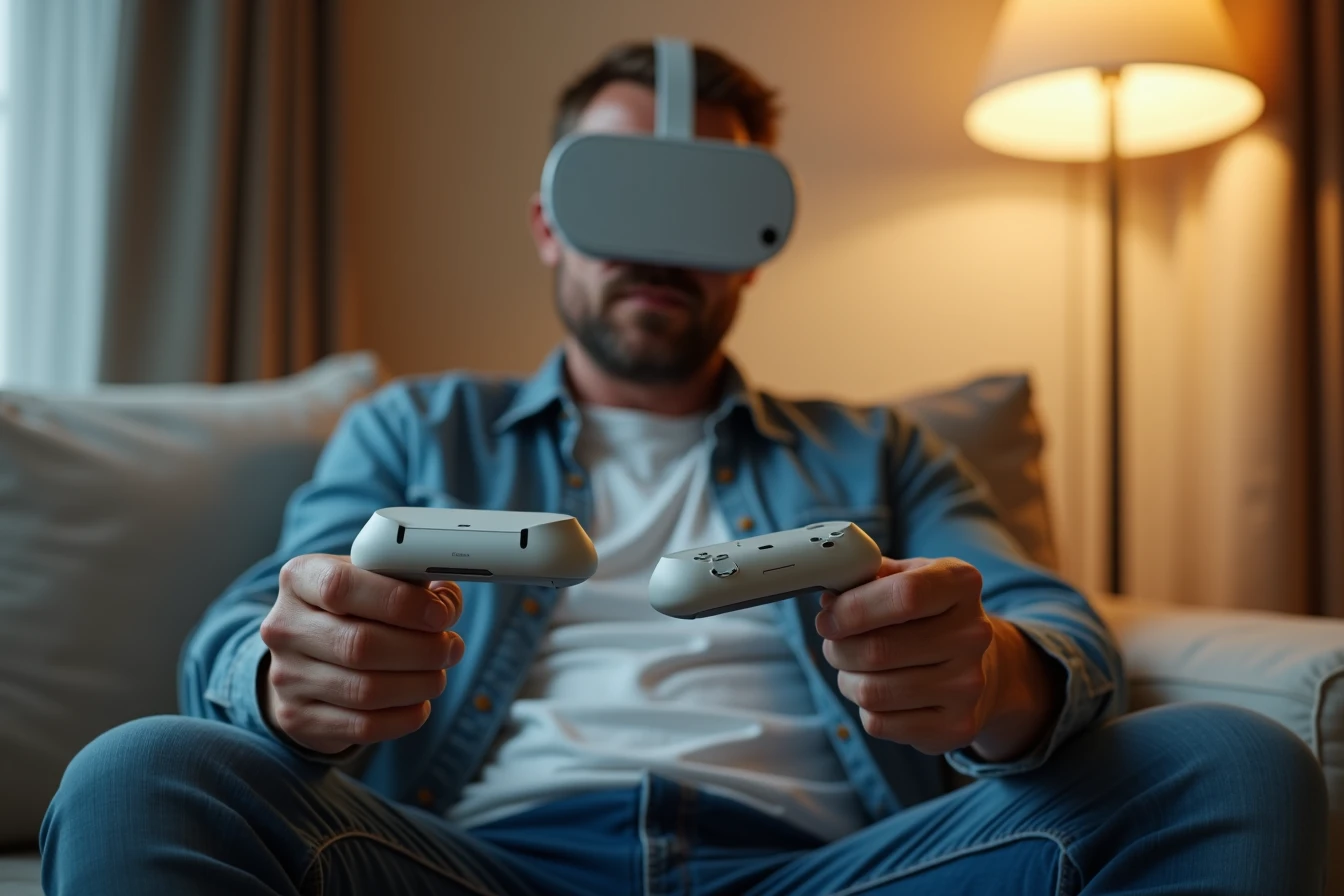
A convincing VR companion experience needs several genuinely hard problems solved simultaneously: real-time voice with natural, low latency; a 3D avatar that moves and reacts believably, not just a static rendered image; and enough underlying memory and personality consistency that being "in the room" with the character actually feels meaningfully different from texting them. My opinion is that solving any one of those in isolation is achievable today. Solving all three together, well, at a price a mainstream consumer would actually pay, is a different and much harder problem.
There's also a hardware adoption question that's completely outside any AI girlfriend company's control. VR headset ownership, while growing, is still a fraction of smartphone ownership, and a chat-first or voice-first product reaches an enormously larger addressable audience than a VR-first one. That alone gives companies a rational reason to keep prioritizing phone-based chat, voice, and image features over VR-specific development. If you're deciding what to actually use today rather than waiting on VR, our best AI girlfriend ranking is scored on the phone-based features that exist right now.
What would actually need to change for VR to take off here
- Voice interaction would need to close most of the gap between its current 1.81 out of 5 average and something closer to natural, low-latency conversation, since VR presence without good voice would feel worse than a text chat, not better.
- Real-time 3D avatar rendering would need to become cheap and fast enough to run reliably on consumer VR hardware, not just in a curated tech demo.
- Memory would need to genuinely improve past today's 21% adoption rate, since an embodied character that forgets you between sessions would feel far more jarring in VR than it does in text.
- VR headset ownership would need to keep growing to a point where building VR-first, rather than VR-optional, actually makes commercial sense for a company.
Why a lighter, phone-based version might actually arrive first
Before full VR headset adoption becomes mainstream, I think a lighter version of this idea, using a phone's camera to overlay an AI companion into your actual surroundings, is a more realistic near-term step than a full VR experience. That's a meaningfully lower bar technically: it doesn't require a dedicated headset, it doesn't require solving full 3D room-scale tracking, and it can build on camera and rendering capabilities that already exist in every modern smartphone.
I haven't seen this implemented well across the 129 platforms I currently track, but I think it's a more plausible "metaverse-adjacent" feature to show up first than a genuine VR headset experience, simply because it reaches every existing phone user rather than requiring people to buy and put on separate hardware. It would still depend on the same underlying voice and rendering quality gaps I've already described, but it removes the hardware adoption barrier that VR specifically faces.
I'd also expect this lighter version to arrive incrementally, first as a simple animated avatar overlay during a video call feature, well before anything resembling a fully tracked, room-aware AR presence. Companies tend to ship the version of a feature that's cheapest to build and easiest to demo first, and a camera overlay riding on top of existing video call infrastructure clears that bar much sooner than full spatial tracking would.
My honest opinion on the metaverse angle
I think the "AI girlfriends will live in the metaverse" narrative gets the direction right and the timeline wrong. It's a genuinely plausible long-term destination for this category, similar to how real-time video avatars are a plausible near-term evolution of the chat and video features companies are already building today. But VR specifically requires clearing a higher combined bar (voice, rendering, and hardware adoption all at once) than any other feature I track, and none of those three pieces are close to solved industry-wide right now.
I go into more detail on the narrower, more immediate version of this trend, real-time video avatars inside a normal phone app rather than a full VR headset, in a separate piece on what's next for real-time video avatars in AI girlfriend apps, which I think is actually the more realistic near-term step in this direction.
What to actually expect over the next few years
My honest, grounded prediction: expect incremental VR experiments from a small number of platforms, not a mainstream shift. Meanwhile, expect the bigger, faster-moving changes to keep happening on the phone-based side of the category, in chat quality, image generation, and eventually more natural voice and video, since that's where 129 platforms are actually investing engineering effort right now, based on everything I've tested. I cover this broader trajectory in more depth in my full look at where the AI girlfriend industry is actually headed, and you can read about how I test and score every platform or my background as a researcher if you want more context on how I reach conclusions like this one.
Further reading
Frequently Asked Questions
Are AI girlfriends available in VR today?▾
Not in any mainstream way. Most of the 129 platforms we track are chat, voice, and image based, not built for VR headsets.
What's stopping AI girlfriends from moving into the metaverse?▾
Voice interaction, which averages just 1.81 out of 5 across the industry, along with 3D rendering costs and limited VR headset adoption.
Will AR come before full VR for AI companions?▾
Likely yes. A phone-based camera overlay reaches far more existing users than a VR headset requires people to buy.
Is virtual reality companionship the same as today's AI girlfriend apps?▾
No. Most existing platforms are 2D, phone-based chat experiences, not embodied VR products.