AI Girlfriend Addiction: Signs, Risks, and Healthy Use
The real behavioral-addiction warning signs to watch for with AI girlfriend apps, why 78% of platforms offer no support if it becomes a problem, and a practical healthy-use checklist.
Jordan Voss
AI Companion Researcher
July 8, 2026

Quick answer
AI girlfriend addiction isn't a formal clinical diagnosis, but the behavioral pattern it describes is real: compulsive use that crowds out sleep, work, or other relationships, and that continues even when it's causing problems. The clearest warning signs are using the app to avoid an uncomfortable feeling rather than to add something positive, needing increasing time with it to feel the same effect, and distress when you can't access it. One concrete risk factor worth knowing: 78% of the 129 platforms I've tested have no documented customer support channel, so if compulsive use does become a problem, most apps offer no built-in path to get help managing it. Healthy use is absolutely possible for most people, and this article covers both the warning signs and what healthy use actually looks like.
Is "AI girlfriend addiction" a real diagnosis?
No, not as a formally recognized clinical category, and I don't want to overstate this. What's well established, though, is the broader concept of behavioral addiction: a compulsive pattern around an activity, not a substance, that continues despite negative consequences and that involves things like tolerance (needing more to get the same effect) and withdrawal-like distress when the activity is unavailable. That framework, originally developed around things like gambling, has since been applied more broadly to compulsive technology use in general.
An AI girlfriend app can absolutely become the object of that kind of compulsive pattern for some people, the same way social media, video games, or online shopping can. That doesn't mean everyone who uses one regularly is at risk, most people aren't, but it's worth knowing the actual signs rather than either dismissing the concern entirely or treating any regular use as automatically a problem.
The real warning signs to watch for
Based on how behavioral addiction is generally understood, here are the patterns that actually matter, as opposed to just "using it a lot":
- Using it to escape a feeling, not to add one. There's a meaningful difference between choosing to spend time with an AI girlfriend because it's enjoyable and reaching for it specifically to avoid boredom, anxiety, or an uncomfortable emotion every single time it comes up.
- Needing more time to get the same effect. If sessions have to keep getting longer or more frequent for the app to feel satisfying, that's the tolerance pattern showing up.
- Distress when you can't access it. Genuine irritability, anxiety, or restlessness specifically because you can't open the app, not just mild disappointment, is a meaningful signal.
- Concealing or minimizing the amount of use. Hiding how much time is actually being spent from people close to you is a common pattern across every kind of behavioral compulsion, not just this one.
- Real-world costs piling up. Missed sleep, missed work, or a noticeable pullback from other relationships that you can trace directly back to time spent in the app.
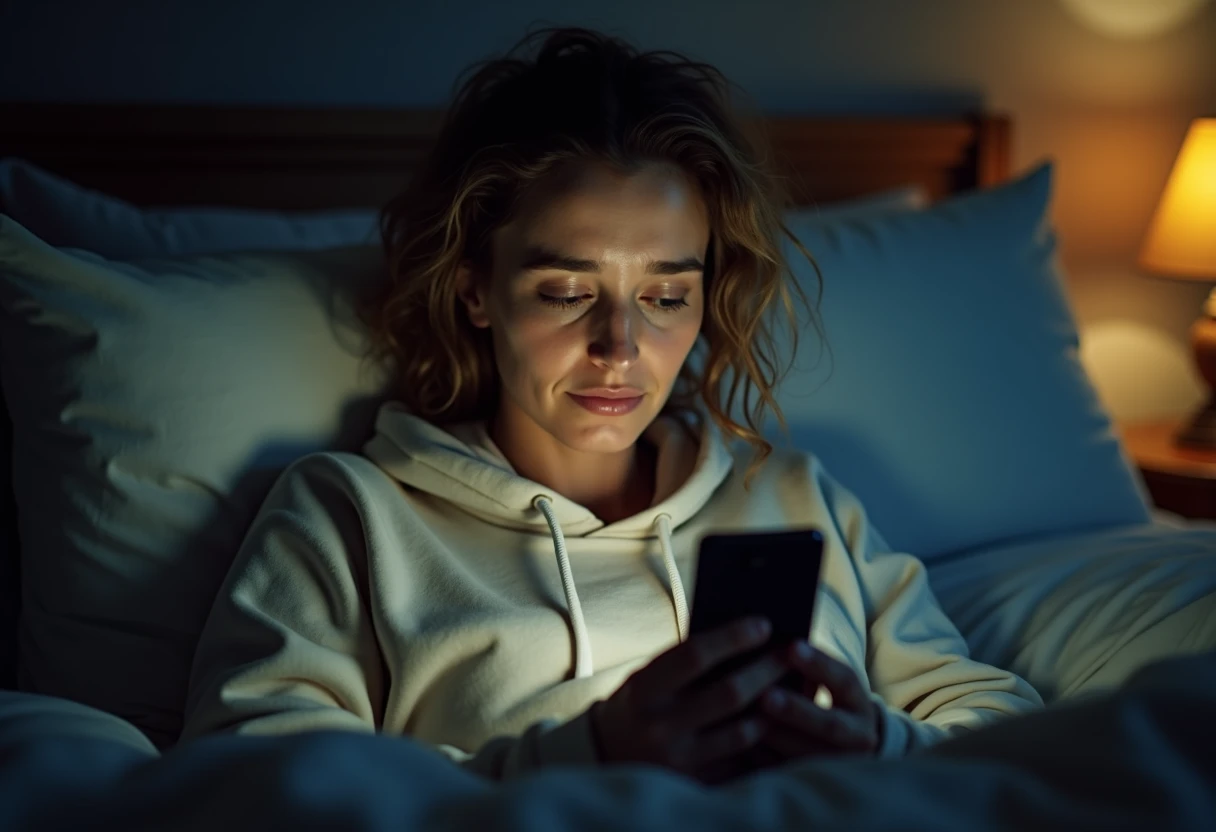
Why these apps are specifically designed to be this engaging
It's worth understanding why AI girlfriend apps can feel so pulling in the first place, because it's not a personal failing, it's a well-understood design effect. Conversations generate slightly different responses each time, a psychological pattern called variable reward, which is more compelling to the brain than a fully predictable interaction. Add genuine personalization and consistent availability on top of that, and you get a product that's engineered, intentionally or not, to be more engaging than a static app.
Knowing this doesn't make the pull weaker, but it does help explain why "just use it less" is often harder advice to follow than it sounds. I go deeper into the specific mechanisms behind this in the psychology of AI companionship, which is useful background for understanding your own patterns here.
78%
of 129 platforms have no documented support channel to help if compulsive use becomes a problem
21%
have real cross-session memory, the exact feature that makes an app feel more compelling to return to
48%
offer a free tier, which lowers the barrier to the kind of frequent, casual use that can slide into compulsive use
The support gap nobody talks about
Here's a risk factor that gets almost no attention: if compulsive use of an AI girlfriend app does become a real problem for you, most platforms have no meaningful way to help. In my testing, 78% of the 129 platforms I checked have no clearly documented customer support channel at all. That's a bigger deal than it sounds. It means there's often no one to talk to about limiting your own account, no built-in tools for time management, and no support path if you decide you want help stepping back.
This is one of the more overlooked reasons that support quality is one of the five categories I score every platform on. A platform that treats support as a real feature, not an afterthought, is also more likely to have thought seriously about healthy-use tooling in general.
What healthy use actually looks like
Healthy use is genuinely the norm, not the exception, and it doesn't require giving anything up. A few practical markers of healthy use: you can go a day or two without the app and notice, at most, mild disappointment rather than real distress. Your use fits into time you'd otherwise spend on entertainment or downtime, not time carved out of sleep, work, or plans with other people. You'd be comfortable telling someone close to you that you use it, even if you wouldn't volunteer it unprompted. And you can point to what you enjoy about it beyond "it's the only thing that makes me feel okay."
If you're looking for a platform specifically because you want a genuinely well-built, healthy experience rather than the most engagement-maximizing one you can find, it's worth comparing options through a real best AI girlfriend ranking, since a well-built app with real memory and good support tends to feel satisfying without needing to escalate the way a shallow, engagement-hungry app sometimes does.
What to do if you recognize the warning signs in yourself
If several of the warning signs above sound familiar, the first practical step is usually just building in intentional friction: set specific times you'll use the app rather than opening it reflexively, and notice what feeling you're reaching for it to avoid. If it's genuinely interfering with sleep, work, or relationships, that's worth treating the same way you'd treat any other compulsive pattern, which includes talking to an actual mental health professional if it doesn't improve on its own. None of this is a substitute for that kind of support, and I'd rather say that plainly than pretend an article can replace it.
Hobby vs. compulsion: the actual difference
A lot of people worry they might be developing a problem simply because they enjoy an app and use it regularly, but regular enjoyment and compulsion are genuinely different things. A hobby, even an intense one, still leaves room for you to choose not to engage with it on a given day without much internal resistance. A compulsion pushes back against that choice, showing up as real irritability, anxiety, or a nagging pull that's hard to override even when you'd rather not give in to it.
The practical test is simple: try going a couple of days without opening the app, on purpose, and pay attention to how it actually feels, not how you assume it will feel in advance. Mild boredom or a passing thought about it is completely normal and not a red flag. Real agitation, a preoccupation you can't shake, or actively looking for ways to justify breaking your own plan are the signals that point toward compulsion rather than a healthy hobby.
A short, practical healthy-use checklist
- You can skip a day without real distress, just mild disappointment at most.
- Your use doesn't come at the direct expense of sleep, work deadlines, or plans with other people.
- You'd be comfortable telling someone close to you roughly how much you use it.
- You can point to a specific thing you enjoy about it, beyond it being the only thing that makes a hard feeling go away.
- Your use hasn't been steadily climbing over time to chase the same level of satisfaction.
None of these need to be perfect all the time, life isn't that tidy, but if most of them describe your situation most of the time, that's a genuinely healthy pattern, not something to feel uneasy about.
Further reading
Frequently Asked Questions
Is AI girlfriend addiction a real diagnosis?▾
Not a formal clinical category, but the behavioral pattern it describes, compulsive use that continues despite real costs, is a real and well-understood concept applied here from general behavioral addiction research.
What are the clearest warning signs?▾
Using it to escape a feeling rather than to add one, needing more time for the same effect, real distress when you can't access it, hiding how much you use it, and real costs to sleep, work, or relationships.
What's the biggest risk factor specific to this category?▾
78% of the 129 platforms we tested have no documented customer support channel, meaning most apps offer no built-in help if compulsive use does become a problem.
What does healthy use actually look like?▾
You can skip a day or two with only mild disappointment, your use doesn't cost you sleep or plans with others, and you can name something you enjoy about it beyond relief from a difficult feeling.